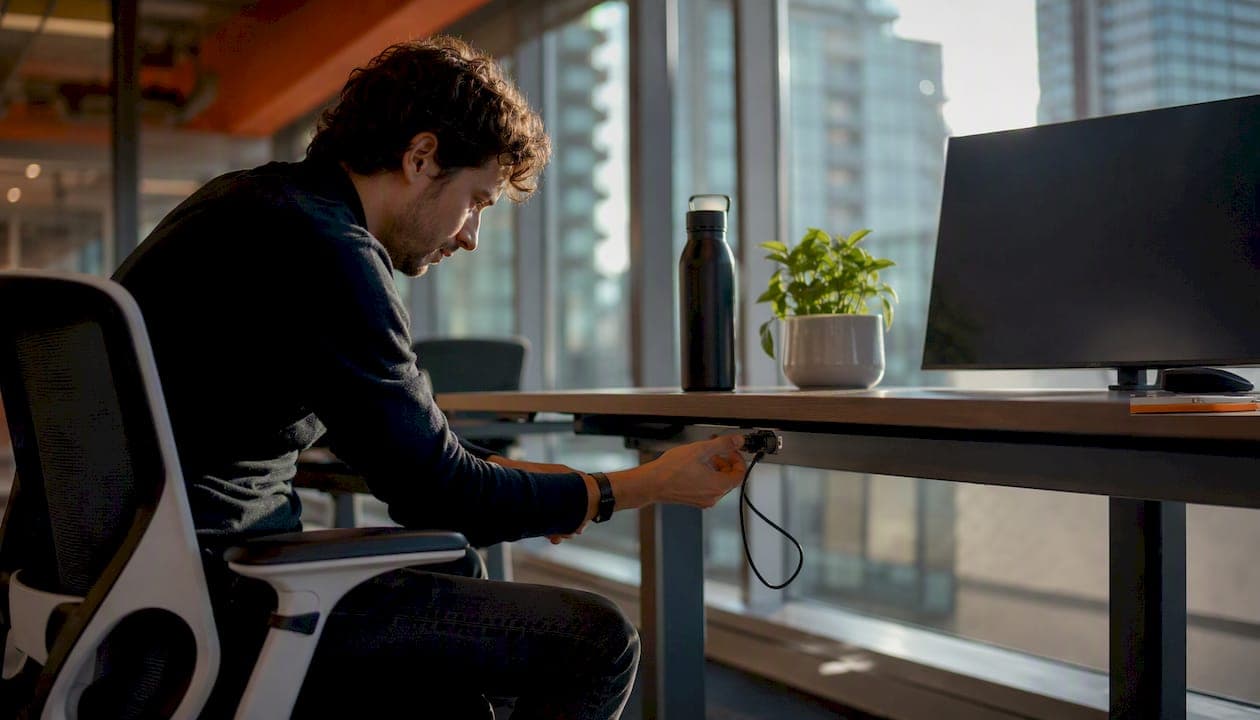
For most remote workers and digital nomads, coworking spaces abroad are worth it — they solve the three problems that kill productivity on the road: unreliable internet, social isolation, and the blurred line between work and rest. If you need a fast, dependable connection, a professional setting for client calls, or a community of people who actually understand your lifestyle, a coworking space abroad delivers all three. The trade-off is cost and, occasionally, noise.
Quick decision checklist:
- Do you need reliable, fast internet for video calls or large file transfers? Yes → coworking is worth it.
- Are you staying in a city for more than four days? Yes → at least a day pass makes sense.
- Do you need a quiet, private environment for sensitive calls or specialized hardware? No → a coworking space fits. Yes → check for phone booths first.
Top 5 benefits at a glance:
- Reliable, high-speed internet with backup options
- Built-in community and networking with locals and other nomads
- Predictable amenities: meeting rooms, printers, ergonomic chairs
- No long-term lease commitment — pay by the day, week, or month
- A clear mental boundary between work time and personal time
Key Takeaways
Coworking spaces abroad are worth it for most remote workers and nomads who need reliable internet, professional amenities, and community — but only when you match the pass type, space type, and commitment length to your actual trip.
| Point | Details |
|---|---|
| Productivity is the top benefit | Around three quarters of coworking members report feeling more productive than in cafés or at home. |
| Test before you commit | Always use a day pass in a new city before purchasing a monthly membership. |
| Match pass to trip length | Day passes for 1–3 days, weekly for 4–10, monthly hot-desk for 11–30 days. |
| Watch for hidden fees | Meeting rooms, guest passes, and printing are often billed separately from the base membership. |
| Verify your visa first | Most tourist visas restrict paid work; use the ToolsForExpats visa checker to confirm your legal status. |
What a coworking space is and how using one abroad differs from home
A coworking space is a shared office environment where independent workers, remote employees, and small teams rent access to desks, internet, and amenities on flexible terms. Think of it as a gym membership for your work life: you pay for access, not ownership.
Using one abroad changes the calculus in a few specific ways. At home, you probably know which neighborhood suits your commute and which space has the best coffee. Abroad, you are choosing blind, often in a city where you do not speak the language fluently and where business-district spaces may be far from your accommodation. Nomad-friendly hours (some spaces open 24/7), multi-city passes, and proximity to transport links matter more than they would at home.
Common pass types you will encounter:
- Day pass: Single-day access, typically including a hot desk and Wi-Fi. Good for testing a space or covering a short work sprint.
- Weekly pass: Five to seven consecutive days, usually at a slight discount over daily rates.
- Monthly hot-desk: Unlimited access to any available desk for a calendar month. The most popular option for nomads staying three to five weeks.
- Dedicated desk: A fixed desk reserved for you, often with lockable storage. Better for those who carry multiple monitors or specialized gear.
- Private office: A lockable room for one to four people. Priced per month, suited to small remote teams or anyone with frequent confidential calls.
- Multi-city or brand-network pass: A single membership that grants access across multiple locations under one operator (WeWork All Access, for example). Cost-effective for multi-city travel when the operator has strong coverage in your planned destinations.
The main coworking space benefits abroad you should know
Research finds that coworking spaces deliver efficiency, flexibility, legitimacy, and community — benefits that compound when you are working in an unfamiliar country where your usual support network is absent.
Productivity and reliable infrastructure
The single biggest coworking space benefit abroad is removing the internet lottery. Café Wi-Fi drops during your 9 AM call. Your Airbnb router resets at noon. A coworking space with a published speed guarantee and a backup 4G connection eliminates both problems. Surveys cited by Regus indicate roughly three quarters of users feel more productive working in coworking spaces — a figure that reflects the combined effect of reliable infrastructure, a designated desk, and fewer domestic distractions.
Statistic: Around three quarters of coworking members report feeling more productive than when working from home or a café.
Community, networking, and serendipitous collaboration
Isolation is one of the most underreported costs of the nomad lifestyle. A coworking space puts you in a room with people who are also building something, which creates low-friction introductions that cafés never do. Academic research highlights that founders and entrepreneurs gain not just space but legitimacy and access to peer advice — a non-obvious benefit that is especially valuable when you are working abroad without your usual professional network. Digital nomad networking through coworking can open doors to local freelance work, partnerships, and referrals that no LinkedIn message replicates.

Cost and convenience for short-to-mid stays
Avoiding a long-term lease is one of the clearest advantages of coworking abroad. You access meeting rooms, a printer, and a mailing address without paying for a full office. For stays of one to eight weeks, a monthly hot-desk membership almost always costs less than adding a co-working-grade internet connection to a short-term apartment rental and furnishing a proper workspace.
Health, routine, and ergonomics
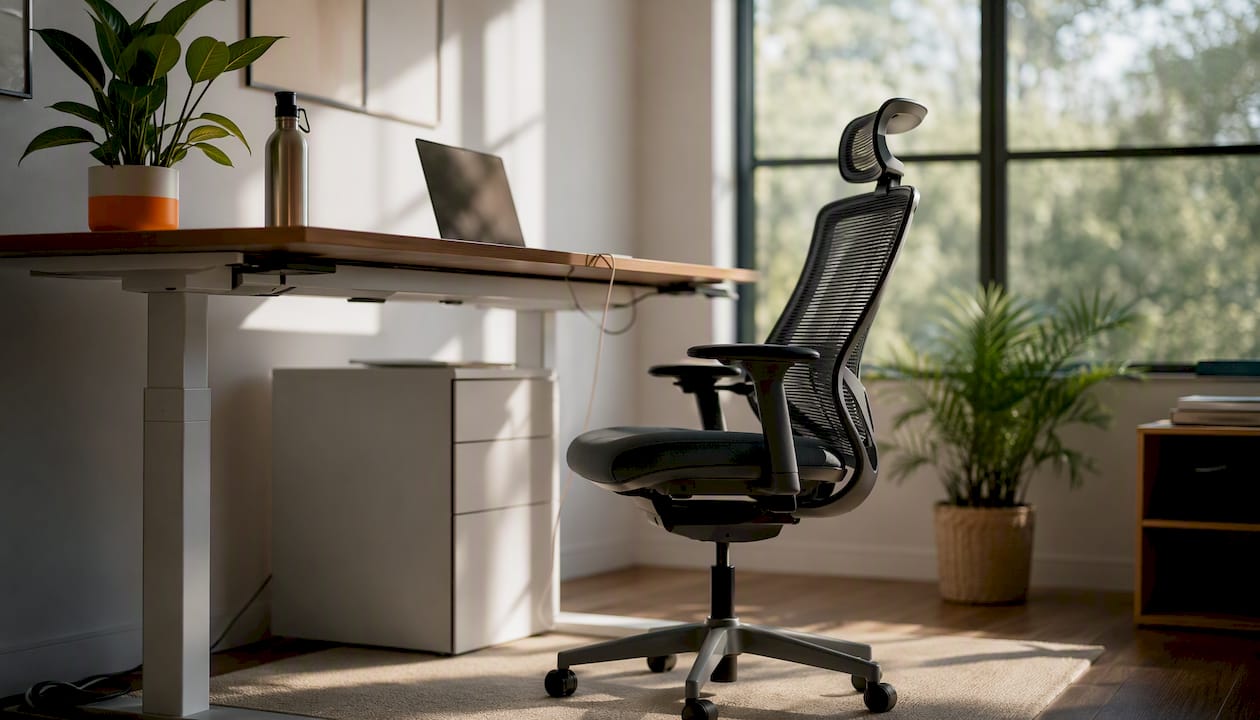
Separating where you sleep from where you work is one of the most reliable ways to maintain work-life balance as a nomad. Coworking spaces also tend to have ergonomic chairs and height-adjustable desks, which matter more on a long trip than most people expect. UC Berkeley's ergonomics guidance recommends an external keyboard, a screen riser, and proper chair support for laptop users — all of which a good coworking space provides without you packing them.
Security and professionalism
Your laptop is safer on a monitored coworking floor than on a café table while you visit the bathroom. Most spaces have lockers, CCTV, and key-card access. For client-facing video calls, a clean, branded background and a quiet room signal professionalism in a way that a hostel common room simply cannot.
Common downsides and red flags: when coworking abroad is a poor fit
Travel guides consistently note that coworking abroad has real trade-offs: cost relative to café work, limited privacy, and the social energy that helps some people can distract others.
Core drawbacks to weigh:
- Cost: A monthly hot-desk in a major city can run $150–$500+. In expensive cities, that rivals a month of café lattes — but with far better reliability.
- Privacy: Open-plan floors are not suitable for legal, medical, or financial calls. Always confirm phone booth availability before booking.
- Social distraction: Busy spaces with frequent events can fragment deep-focus work. If your best hours are 6 AM–10 AM, check whether the space is open and quiet then.
- Hidden fees: Meeting rooms, printing, and guest passes are often add-ons. Read the pricing page carefully before signing up.
Red flags when booking:
- No published Wi-Fi speed or no backup connection listed
- No phone booths or soundproofed call rooms
- Cancellation terms that require 30+ days notice on a monthly pass
- Reviews mentioning persistent noise or overcrowding during peak hours
When to skip coworking entirely: If your stay is three days or fewer, your accommodation has fiber-grade internet, and you have no calls, a café or your rental is probably cheaper and simpler. The same applies if you travel with a multi-monitor setup or specialized audio hardware — a dedicated desk or private office is the only viable option, and those cost significantly more.
Pro Tip: Always test a space on a day pass before committing to a monthly membership. One day reveals peak-hour noise, actual Wi-Fi speeds, and whether the community energy matches your work style — things no listing photo can show.
How to pick the right coworking space abroad
By 2026, most major cities offer dozens to hundreds of coworking options, which means the challenge is no longer finding a space — it is filtering quickly for the features that actually matter to your work style.
Must-have vs. nice-to-have:
Questions to ask before booking:
- What is the guaranteed minimum Wi-Fi speed, and is there a backup connection?
- How many phone booths are available, and can they be reserved?
- Are meeting rooms included in the pass or billed separately?
- What are peak crowding hours, and how full does the floor get?
- What is the cancellation policy for monthly memberships?
- Is there a community Slack, WhatsApp group, or events calendar?
Use-case map by call volume:
- 0–1 calls per day: Any hot-desk space works. Prioritize location and price.
- 2–4 calls per day: Confirm phone booth count and booking process before you arrive.
- 5+ calls per day: Book a private office or a dedicated desk near a call room. Open-plan floors will not serve you well.
Pass length by trip duration:
- 1–3 days: Day passes only
- 4–10 days: Weekly pass or multiple day passes
- 11–30 days: Monthly hot-desk
- 30+ days: Monthly dedicated desk or private office, with a trial day first
Typical pricing and what to budget for coworking abroad
Pricing varies widely by city and operator, but broad ranges give you a useful baseline for budgeting. Day passes typically run $15–$40 in Southeast Asia and Latin America, $25–$60 in Western Europe, and $30–$70+ in major U.S. or Australian cities. Monthly hot-desk memberships generally fall within a range influenced by market costs, being lower in affordable regions and higher in expensive cities. Private offices vary significantly in price depending on market affordability, with higher costs in global financial centers.
How coworking compares to alternatives:
- A month of café work (buying a coffee every two hours to justify the seat) can easily reach $150–$200 and delivers none of the reliability or amenities.
- A short-term apartment with reliable fiber internet costs less per day but requires a longer minimum stay and no meeting-room access.
- For stays of two to four weeks, a monthly coworking pass is usually the most cost-effective option that includes reliable internet, ergonomic setup, and meeting rooms.
Budgeting tips:
- Start with day or weekly passes to test before committing to a monthly fee.
- Multi-city or brand-network passes can reduce per-day costs significantly if you are traveling across multiple locations with the same operator — but verify current property availability before purchasing, as operator footprints change.
- Watch for deposit requirements (common for dedicated desks) and meeting-room credits that expire.
- If you work as an independent contractor, coworking fees may qualify as a deductible business expense in your home country. Consult a tax advisor to confirm what applies to your specific situation.
Use the ToolsForExpats nomad cost calculator to model a full month abroad, including coworking fees alongside housing, food, and transport, so you can compare cities side by side before you book.
Practical tips for getting the most from coworking spaces when you're abroad
Preparation separates a productive coworking day from a frustrating one. These are the habits experienced nomads rely on.
Pack this for every coworking day:
- USB-C to Ethernet adapter (for wired backup when Wi-Fi is congested)
- Noise-canceling headset (for calls and focus)
- Travel surge protector with multiple outlets
- Laptop riser or portable stand (pairs with the space's external keyboard if available)
- A small cable lock for your laptop if you plan to step away from your desk
Etiquette that keeps you welcome:
- Book meeting rooms in advance — do not take calls at your hot desk.
- Follow the space's food policy; strong-smelling food at a shared desk is universally unpopular.
- Keep your voice low in open areas, even on non-call conversations.
- Log out of shared printers and clear your print queue.
Tech checklist before you arrive:
- Run a speed test at the space on your first day (use Fast.com or Speedtest.net).
- Have a backup mobile hotspot plan ready — your phone's data plan or a local SIM.
- Confirm your VPN works on the space's network before your first important call.
Pro Tip: On your first day at a new space, introduce yourself to the community manager and ask to be added to the members' Slack or WhatsApp group. The channel is where last-minute desk swaps, local restaurant tips, and collaboration opportunities actually happen.
Pro Tip: Calendar-block your deep-focus hours before you arrive. Coworking spaces have social gravity — without protected blocks, you will find yourself in three impromptu conversations before noon.
For a full remote-work setup checklist, the ToolsForExpats guide to remote work abroad covers everything from SIM cards to tax registration.
Where to find coworking spaces and the major networks worth knowing
The global coworking market is genuinely international: as of 2021, roughly 25% of spaces were in North America, 31% in Europe, and 30% in Asia, and the number has grown substantially since. Here is how the major players break down.
WeWork is the default choice for business travelers who need a predictable, polished environment. Its All Access pass grants entry to hundreds of locations globally, which makes it practical for multi-city trips. The trade-off is price — WeWork sits at the premium end — and the community skews toward corporate remote workers rather than independent nomads.
Selina CoWork targets the nomad demographic directly, combining accommodation and coworking under one roof. Its community events and social programming are a genuine differentiator for solo travelers. Check current property availability before purchasing a multi-location pass, as Selina's footprint has shifted in recent years.
Spaces (part of the IWG/Regus group) suits business travelers who need a professional address, meeting rooms on demand, and consistent standards across cities. It is less community-oriented than Selina but more reliable for client-facing work. The IWG network also includes Regus locations, giving you a wide fallback option in cities where Spaces has no presence.
Impact Hub is the right choice if your work intersects with social enterprise, sustainability, or purpose-driven business. Its locations attract founders, NGO workers, and researchers — a community profile that is genuinely different from a generic hot-desk floor. Strong in Europe, Latin America, and parts of Africa and Asia.
Coworker.com is not a space itself but the most useful aggregator for finding and comparing spaces globally. You can filter by city, amenities, price, and pass type, read verified reviews, and book directly. For any city where you do not already know a trusted operator, Coworker.com is the right starting point.
Chain vs. local independent vs. café-hybrid: Chains give you predictability and multi-city flexibility. Local independents often have stronger community ties and lower prices. Café-hybrids (spaces that operate as a café in the morning and a coworking floor by midday) work well for short, low-call workdays but rarely offer phone booths or meeting rooms. Match the type to your priorities, not to brand recognition.
For hybrid and remote work engagement strategies that apply once you are settled in a space, this guide on leading engagement in hybrid remote environments offers a useful management-side perspective.
How to plan a coworking stint using ToolsForExpats tools
A four-step planning flow removes most of the uncertainty before you book anything.
- Shortlist your city. Run the ToolsForExpats best-city quiz to identify destinations that match your priorities — coworking density, cost of living, time zone overlap, and social scene all factor in.
- Confirm your visa situation. Use the ToolsForExpats visa checker to verify whether your nationality requires a digital nomad visa, a work permit, or simply a tourist entry for the duration you are planning. This step directly affects how long you can legally base yourself at a coworking space.
- Select your trial pass length. Match pass length to trip duration using the guide in the "How to pick" section above. Start with a day pass in any new city.
Local laws and regulations that affect coworking abroad
Working from a coworking space abroad does not automatically make you legally compliant with local labor or immigration law. The key distinction is between being present in a country and being authorized to work there.
Most tourist visas technically prohibit paid work, even remote work for a foreign employer. Countries with dedicated digital nomad visas — Portugal, Spain, Costa Rica, Indonesia (Bali), and others — explicitly permit remote work for foreign clients, which makes them the safest choice for extended coworking stays. The ToolsForExpats visa checker covers 20+ countries and flags which visa category applies to your situation.
Tax residency is a separate question. Spending more than a threshold number of days in a country (often 90 or 183 days, depending on the jurisdiction) can trigger local tax obligations even if you are not employed there. This is general information — confirm your specific situation with a qualified tax advisor and the relevant national tax authority before committing to a long stay.
Health and safety standards in coworking spaces abroad
Standards vary considerably by country and operator. In most Western European, North American, and major Asian cities, coworking spaces maintain professional health and safety standards: fire exits, first-aid kits, ventilation, and regular cleaning. In lower-cost markets, standards can be inconsistent — read recent reviews specifically for cleanliness and air quality, not just Wi-Fi speed.
COVID-19 protocols have largely normalized across most markets, with most spaces returning to pre-pandemic operations. Some operators in Asia and parts of Latin America still maintain hand-sanitizer stations and optional masking in enclosed rooms. If you have specific health needs, contact the space directly before booking.
Ergonomics deserve more attention than most nomads give them. UC Berkeley's ergonomics guidance recommends elevating your screen to eye level, using an external keyboard, and adjusting chair height so your feet rest flat — all achievable at a well-equipped coworking space and worth asking about before you book a monthly membership.
What to expect from coworking contracts and cancellation policies
Most coworking spaces offer three contract structures: pay-as-you-go (day passes, no commitment), rolling monthly (cancel with 15–30 days notice), and fixed-term (three to twelve months, often with a discount). For nomads, rolling monthly is the standard choice.
Watch for these terms before signing:
- Notice period: Rolling monthly memberships typically require 15–30 days written notice to cancel. A 30-day notice on a month-to-month plan effectively means you pay for an extra month if your plans change.
- Deposit: Dedicated desks and private offices often require a one-month deposit, refundable on exit.
- Meeting-room credits: Many memberships include a set number of meeting-room hours per month. Overages are billed at an hourly rate that can be surprisingly high.
- Guest fees: Bringing a client or collaborator to a meeting room often incurs a per-person guest charge.
- Auto-renewal: Some platforms auto-renew memberships unless you cancel in writing. Set a calendar reminder for your notice deadline.
Day passes and weekly passes are almost always non-refundable once used, but carry no ongoing commitment.
How to assess community fit at an international coworking space
Community fit is the hardest thing to evaluate from a listing page and the most important factor for nomads staying longer than two weeks. A space with a strong community can become your social anchor in a new city; a poor fit leaves you paying premium prices for a desk you could have found cheaper elsewhere.
Signals of a strong community:
- An active members' Slack or WhatsApp group (ask the community manager before you book)
- Weekly or monthly events listed on the space's calendar — not just "networking drinks" but skill-shares, workshops, or collaborative projects
- A visible mix of industries and nationalities in the member directory or on the space's social media
- A community manager who is present and responsive, not just an admin at the front desk
How to assess before committing:
- Book a day pass and spend the full day there. Eat lunch in the common area. Notice whether people talk to each other or keep headphones in all day.
- Ask the community manager directly: "What is the typical member profile here?" A good manager will give you a specific answer, not a marketing pitch.
- Check the space's Instagram or LinkedIn for event photos — the faces and energy in those photos tell you more than any description.
For nomads whose primary goal is social connection alongside productivity, this overview of the best countries for nomad social life pairs well with the community-fit assessment above.
Plan your coworking month with ToolsForExpats
Before you book a coworking membership abroad, run the numbers. The ToolsForExpats nomad cost calculator lets you model a full month in any city — housing, coworking, food, transport — so you know exactly what you are committing to before you land. Pair it with the cost comparison tool to see two cities side by side, and use the visa checker to confirm you are legally covered for the duration you are planning. All tools are free, require no account, and take under five minutes to run.
The part most coworking guides get wrong
Most articles about coworking abroad treat it as a lifestyle choice — a signal that you have "made it" as a nomad. That framing leads people to over-invest in premium spaces for the aesthetic and under-invest in the features that actually determine whether their workday succeeds.
The research is clear: the productivity gains from coworking are real, but they come from infrastructure reliability and separation of work from rest, not from exposed brick walls or a branded coffee bar. A $20/day space with guaranteed 100 Mbps, two phone booths, and a quiet floor will serve you better than a $60/day flagship with a rooftop terrace and spotty Wi-Fi.
The other thing guides consistently miss is the visa question. Sitting in a coworking space does not make your work legal in that country. For stays beyond a few weeks, the visa and tax implications deserve as much attention as the Wi-Fi speed. Use the tools, check the rules, and then enjoy the space.
The practical playbook is simple: shortlist cities with the ToolsForExpats quiz, model costs with the calculator, verify your visa status, and test every new space on a day pass before you commit. That four-step sequence removes most of the risk and most of the regret.
Sources
- How to Find a Coworking Space Abroad in 2026: A Practical Field Guide | Compass Draft
- Coworking spaces: An overview and research agenda
- 7 Tips to Finding a Coworking Space While Travelling | Regus
- Coworking Spaces Abroad | They Travel & Work
- The Pros and Cons of Using a Travel Coworking Space
- Laptop ergonomics (UC Berkeley UHS)